Lesson 3
La famille
Learn to talk about your family members and use possessive adjectives.
Work through each section at your own pace — click to expand
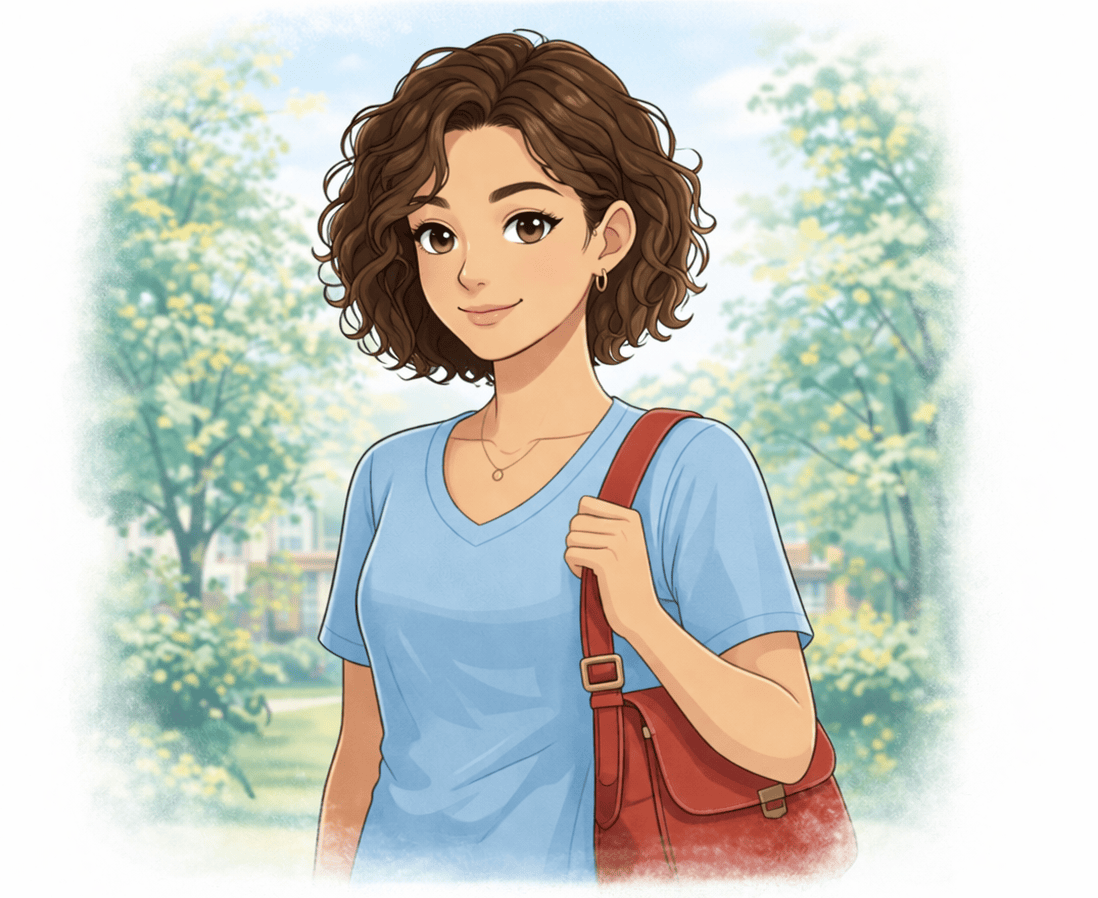
Julie
Julie a quarante ans. C'est la fille de Mme Dupont. Son mari s'appelle Pierre.

Marc
Marc a trente-huit ans. C'est le fils de Mme Dupont et le frère de Julie.

Les petits-enfants
Mme Dupont a quatre petits-enfants : Sophie qui a cinq ans, Lucas qui a huit ans, Thomas qui a douze ans et Emma qui a dix-neuf ans.
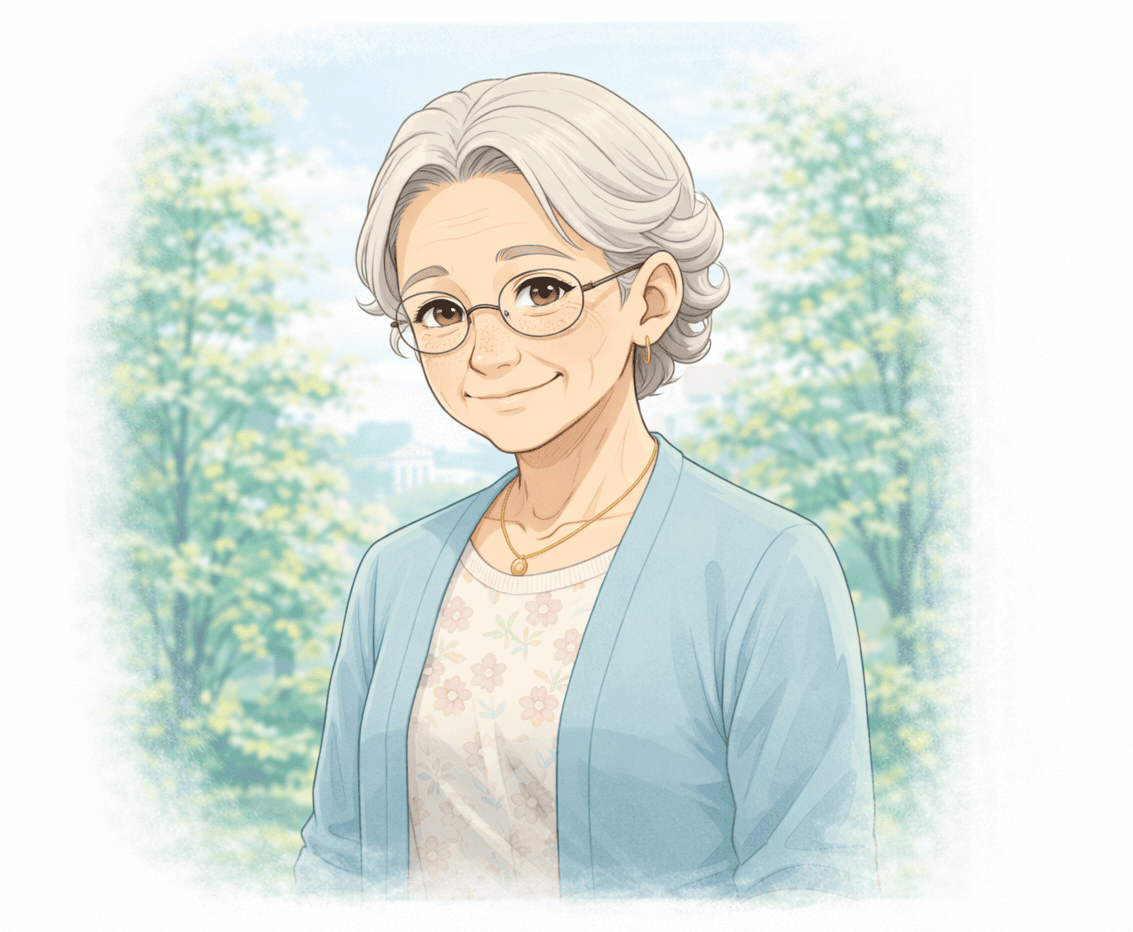
Mme Dupont
Mme Dupont a soixante-sept ans. Son mari a soixante-neuf ans. Ils habitent à Paris.
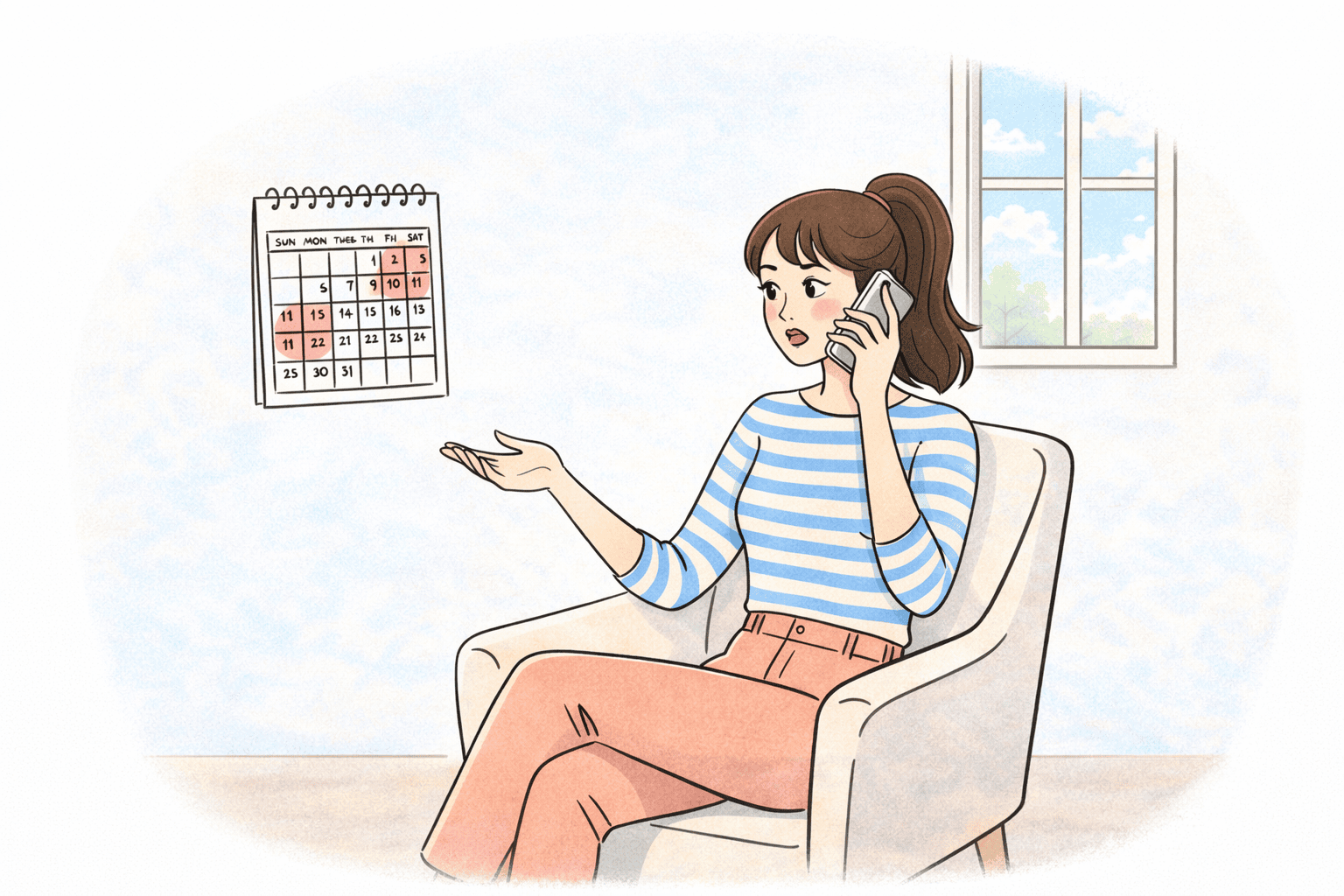
Dialogue — La famille / Family
Lina and Nil talk about their families.
Pink bold words are verbs. Click any word to see its meaning.
Possessive Adjectives
mon / ma / mes = my
ton / ta / tes = your (informal)
son / sa / ses = his/her
Use 'mon' before masculine nouns and 'ma' before feminine nouns. Before a vowel, always use 'mon': mon amie (not ma amie).
Possessive Adjectives
Use these to say my, your, his/her, etc. They agree with the noun — not with the owner.
| English | Masculine | Feminine | Plural |
|---|---|---|---|
| my | mon | ma | mes |
| your (informal) | ton | ta | tes |
| his / her | son | sa | ses |
| our | notre | notre | nos |
| your (formal / plural) | votre | votre | vos |
| their | leur | leur | leurs |
Complete with the correct family member
Point grammaire
Pour parler de ta famille, tu as besoin de « mon, ma, mes… » et du verbe avoir.
What you'll learn: Possessive adjectives (mon/ma/mes = 'my') change with the gender and number of the thing you own. And in French, you use 'avoir' ('to have') for age — 'j'ai 25 ans', literally 'I have 25 years'.